
Notes to My Human Self
Notes on creating, becoming, and staying human.
The Analog Manifesto
A field guide for staying human in a machine-made world
As a creative in today’s world, I’m scared. There are plenty of reasons to be. And yet, I’m also optimistic — maybe even delusional — but only because I still believe being human matters.
So this is where I’ve landed:
The key isn’t to fight the machines.
The key is to stay human — on purpose. Consciously. With eyes wide open.
Because no algorithm will tell you how to fall in love, cook for a friend, or make something that feels alive in your hands. It won’t help you recognize what matters — only what performs. But it will happily keep you clicking, optimizing, and feeling productive—while something quieter slips away. It will make you feel competent. Efficient. Even successful. And therein lies the danger.
And the real question becomes: how do we stay human in a world built to pull us away from ourselves? The answer isn’t as far away as it feels.
Here’s how I try to live it — in my work, my business, and my life. Not perfectly. Just intentionally.
Stay analog.
Messy. Irregular. Imperfect. Alive. Leave a human trace.
Make dinner without a recipe. Fix a chair with duct tape. Write the first draft by hand. Don’t look up the answer right away — sit with the question a little longer than is comfortable. Send one handwritten note a month. Make something without knowing what it’s for. Use glue, paint, ink, scissors — anything that gets your fingers dirty. Tell clients how you actually work, not the polished version, but the one that happens in pajamas, mid-coffee, half-awake.
Be curious.
Not because it leads somewhere useful — but because it keeps you alive to what interests you.
Curiosity reconnects you to your gut, your heart, your instincts — the part of you that leans toward things simply because they spark something. Not everything you’re curious about needs to make money, build a brand, or move you up a ladder. Some things matter because they make you feel more awake. Happier.
Follow what catches your attention. Chase what surprises you. Let yourself be interested in things with no clear payoff. Ironically, this is what keeps your creative life fed — and your work from drying out. Curiosity reminds you that aliveness comes first. The rest tends to follow.
Develop taste.
Not just in wine or music — but in what you read, watch, listen to, and choose to keep.
Taste takes time. That’s why the feed tries to rush you past it. Don’t let it. Taste is how you learn what actually stays with you — what lingers, what pulls you back, what you find yourself thinking about days later. Not what’s popular. Not what performs. What endures.
This is also where people go wrong with powerful tools. AI can generate endlessly, but it can’t decide what’s worth keeping. That requires judgment. Discernment. A high bar. Developing taste keeps you in charge of the tools instead of quietly reshaping yourself to fit them. It keeps you from settling for sameness — whether it comes from an algorithm or a room full of people playing it safe.
Taste is one of the quiet ways you remember who you are — and one of the hardest things to outsource. Protect it. Cultivate it.
Be imperfect.
Not because it’s charming — but because it’s how anything real gets made.
Imperfect work gives you room to move. It lets you take risks, change your mind, say the thing you’re not entirely sure about yet. It keeps you from waiting until everything is figured out — which is usually just another way of staying silent.
Leave the brushstrokes. Let the paint drip. Tell the joke you’re not sure will land. Say what you mean before it’s been sanded smooth. AI can make things clean, efficient, and correct. But it can’t make them honest. It can’t make them yours.
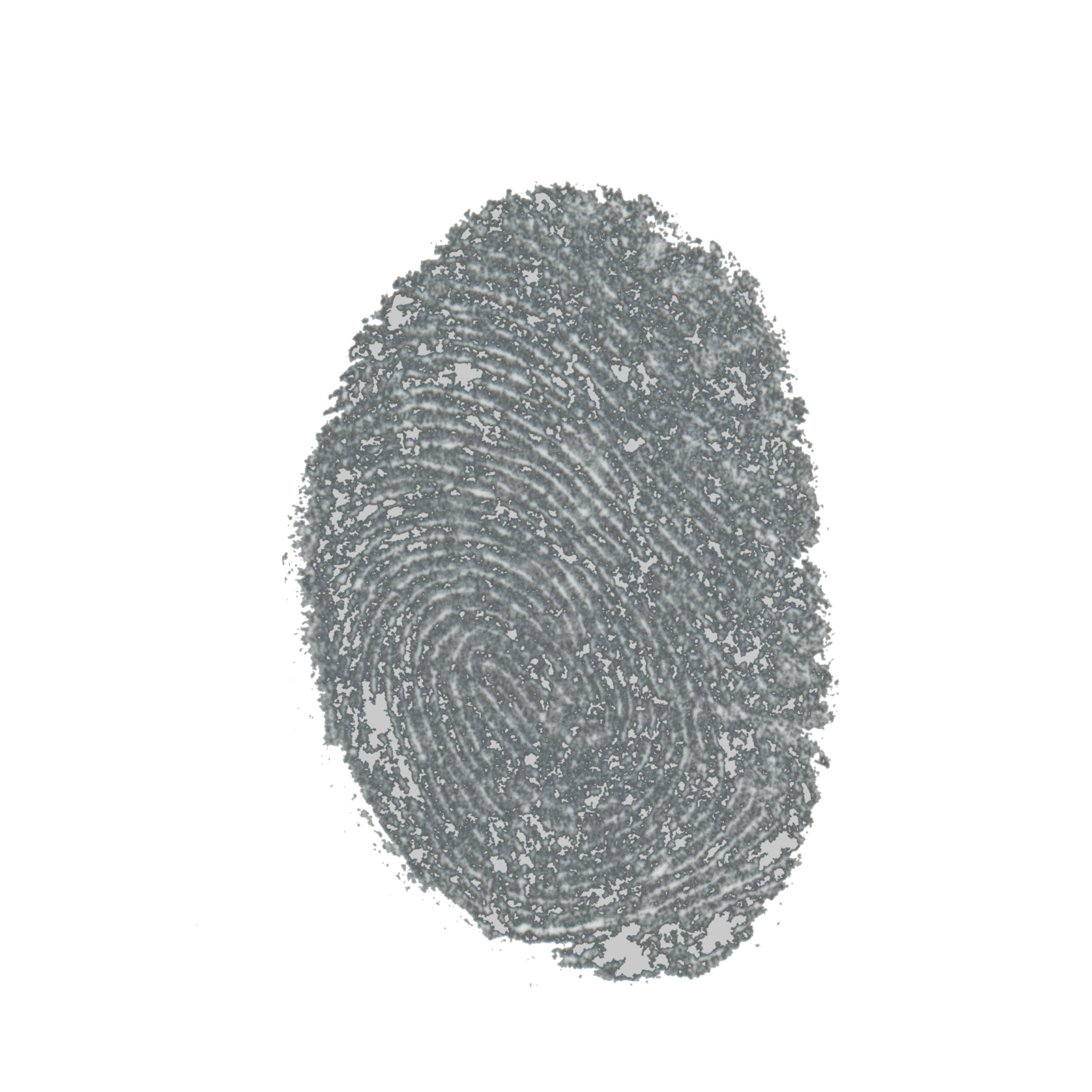
Imperfect work carries fingerprints. And fingerprints are proof that someone showed up.
Own it.
Not just the output — the understanding behind it.
It’s easy to hand a question to a system and accept the answer it gives back. Sometimes that’s fine. Useful, even. But when you skip the part where you wrestle with the question yourself, you also skip the part where meaning forms. You bypass the lived experience, the judgment, the hard-earned sense of why this feels true.
Owning the work means staying present long enough to know what you actually believe — not just what functions. It means understanding the story behind the answer, not just the answer itself — the context, the tradeoffs, the quiet reasons you’d still stand by it tomorrow.
When you don’t own that, you can’t really own the result. You can ship it. You can use it. But you can’t stand behind it.
Analog work asks something more of us: to take responsibility for the truth inside what we make. To know where it came from. To know what it cost. To be able to say, this is mine — and I know why.
Use your hands.
Not just to type.
Plant something. Build something. Tear open a package without scissors. Let your hands be involved in the world again. Every scar, stain, and smudge is proof you were here — not just managing life, but actually touching it. That’s the real signature. One no algorithm can forge.
And yes, some shortcuts are worth it. Five minutes instead of fifty? Great — if it buys you more time with your kids, your dog, or your own thoughts. Tools are meant to serve life, not replace it.
But efficiency isn’t living.
The future will be fast.
We don’t have to be.
Slow down.
Notice the texture.
Leave your fingerprints.
That’s what stays.
That’s what counts.
That’s the part no machine can touch.

If you want new notes when they arrive, you can join below.
The First Mark in an Empty Notebook
A note about the moment before you know what you’re making — and why that moment matters.